Almost every homeowner who walks into our Marlboro showroom asking about "wood-look floors" ends up choosing between luxury vinyl plank (LVP) and laminate - and in most Hudson Valley homes, the right answer depends less on the showroom sample and more on where the floor is actually going. Here's how luxury vinyl plank and laminate flooring really compare once you factor in our climate, our older housing stock, and daily life with kids and pets.
How Each One Handles Our Humid Summers and Cold Winters
The Hudson Valley isn't a dry climate - our summers get sticky and humid, and our winters bring dry forced-air heat that swings indoor humidity the other direction all season. LVP's all-synthetic core doesn't react to any of that; it stays flat and stable regardless of what the weather's doing outside. Laminate's core is compressed wood fiber, so while a quality laminate handles normal seasonal humidity fine in a climate-controlled home, it's more sensitive to sustained dampness - a musty crawlspace, a room with a leaky window, or a summer with the AC off for weeks can eventually cause boards to swell at the seams.
Basements and Below-Grade Spaces
This is the clearest LVP win. Many Hudson Valley basements sit against stone or block foundations that let in ambient moisture even without an active leak, and laminate's wood-based core simply isn't built for that environment. LVP's waterproof core shrugs off the dampness and is our default recommendation for any basement, whether it's a finished rec room or a half-finished space you're slowly bringing online.
Older Homes with Uneven Subfloors
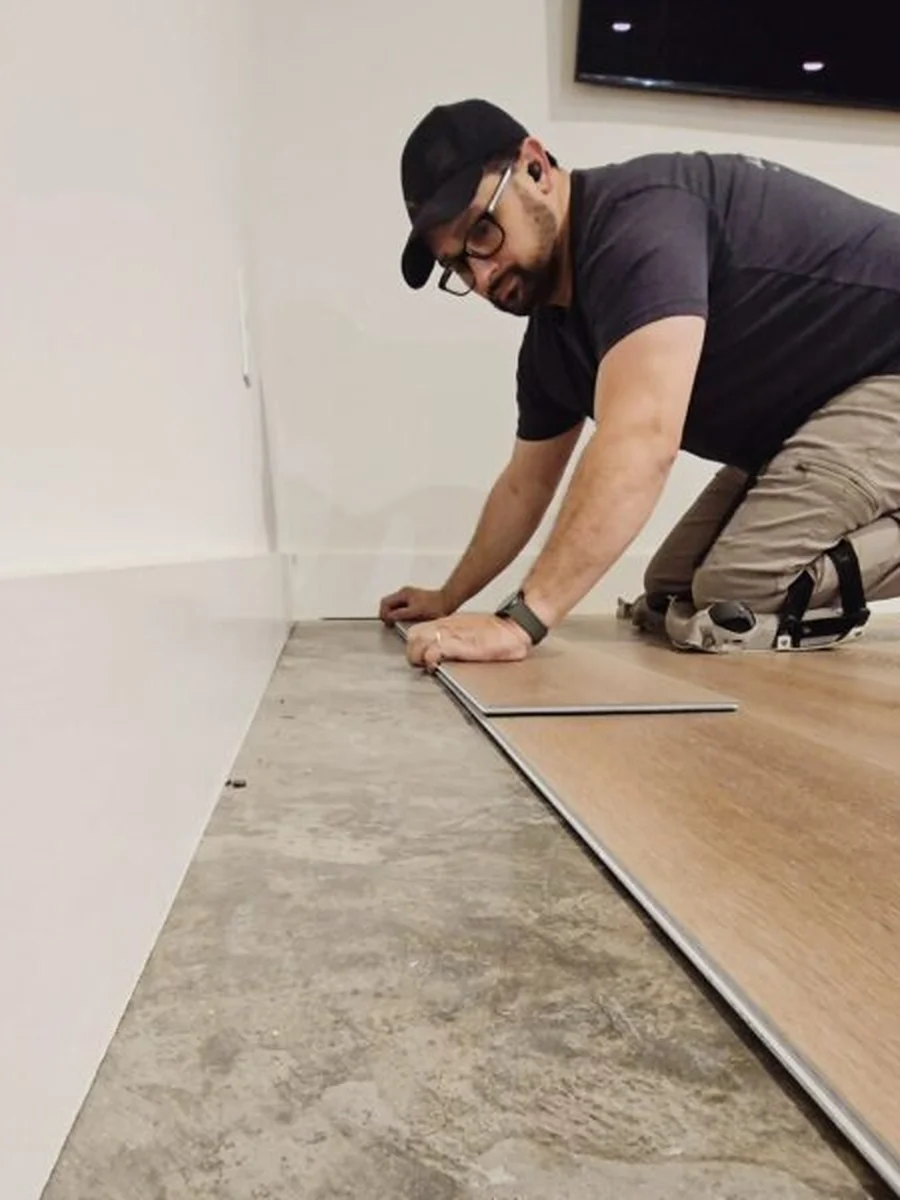
A lot of the housing stock around Marlboro, Poughkeepsie, and Newburgh predates modern subfloor standards, and it's common to find a dip, a slight slope, or an old patch job once we pull up the existing floor. LVP's flexible core is more forgiving of minor subfloor imperfections and can often go down with less leveling work than laminate requires. Laminate's rigid, click-lock planks telegraph subfloor irregularities more readily, which can show up as flex or a hollow sound underfoot if the prep isn't dialed in.
Pets, Kids, and Everyday Wear
Both floors hold up well to daily traffic, but they fail differently. LVP's waterproof core means an accident from a puppy in training or a spilled water bowl is a non-event - wipe it up and move on. Laminate's harder wear layer resists scratches from claws slightly better in some product lines, but a puddle left too long at a seam is a real risk. For households with young kids or pets, we lean LVP almost every time; for a quieter, adult household in a dry upstairs bedroom, laminate is a perfectly good, and often cheaper, choice.
Price Differences
The two overlap more than people expect. Laminate is usually the slightly cheaper option, especially at entry-level grades, while LVP costs a bit more for its waterproof construction and typically has a wider range at the premium end. Ask us for the full installed price on both - materials, underlayment, and labor - rather than comparing sticker prices per box, and remember 0% APR financing is available either way.
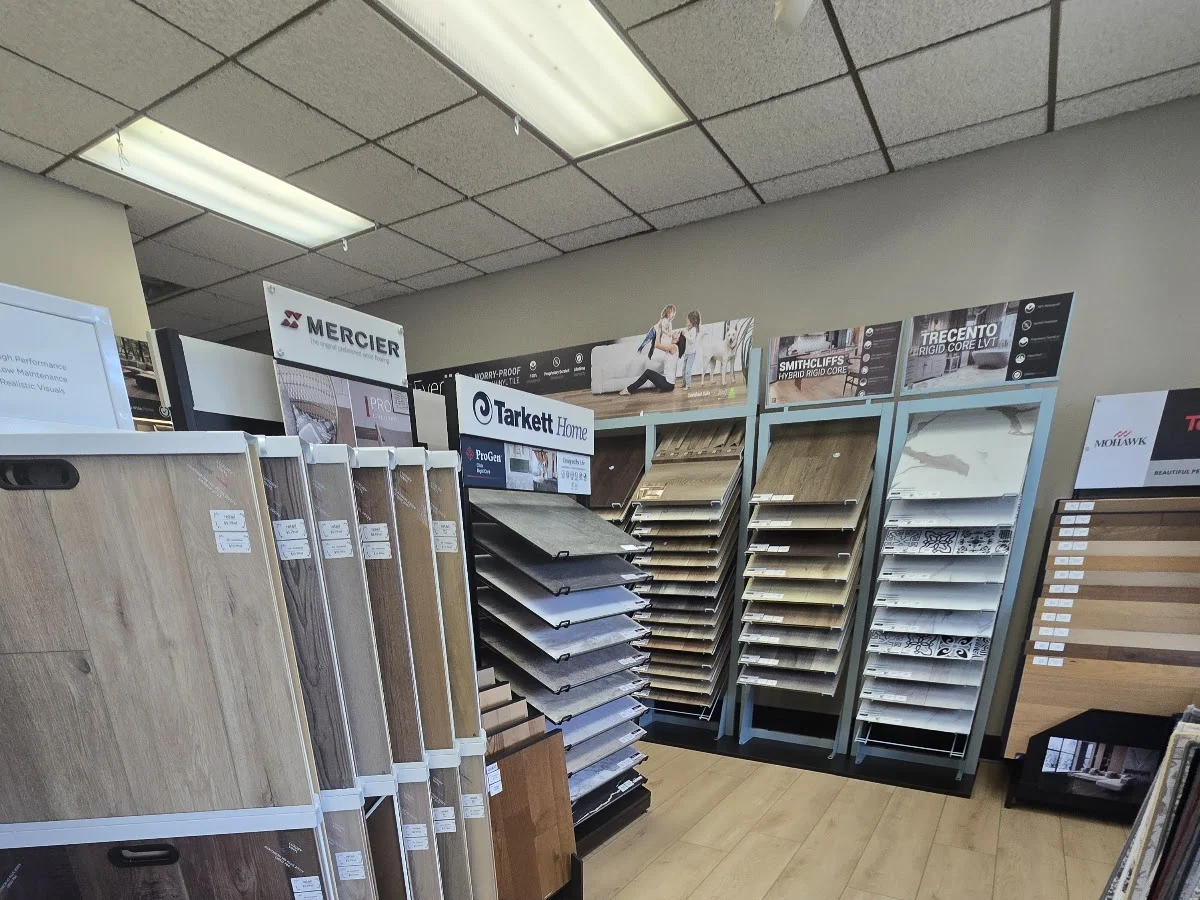
Not sure which one fits your specific rooms? Bring us your floor plan and we'll walk through it room by room. Schedule a free in-home estimate and Nick will bring real samples of both so you can feel the difference yourself - and you can always check what your neighbors thought of the process on our reviews page.